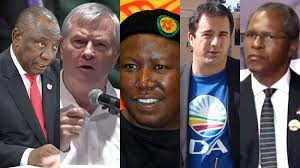
After the African National Congress lost its legislative majority in a historic election outcome in late May, South African President Cyril Ramaphosa formed an unusual power-sharing deal in the continent’s largest industrialized nation, appointing seven diverse parties to his Cabinet.
With the ANC’s unveiling of the new Cabinet on Sunday night, South Africa entered unknown political ground following the party’s 30-year control. The ANC freed the nation from apartheid’s white minority rule in 1994 and had ruled ever since.
The breakdown of power-sharing government of national unity:
ANC: In addition to retaining ANC ministers in charge of the important ministries of finance, commerce and industry, foreign affairs, defense, and justice, Ramaphosa also reappointed Paul Mashatile of the ANC as his deputy president. Twenty of the 32 Cabinet minister posts are held by the ANC, which received the highest percentage of votes in the election—40%.
DA: John Steenhuisen, the head of the Democratic Alliance, was appointed minister of agriculture by Ramaphosa, one of the DA’s six ministerial positions. Despite being the second-largest party, the DA had sought for the commerce and industry portfolio. However, it was appointed to deputy minister positions in both trade and industry and finance.
Following the loss of majority in the national and provincial elections on May 29, Ramaphosa’s African National Congress party—which had led South Africa without a coalition for the previous thirty years—a total of eleven political parties came to an agreement to establish the GNU.